Food · Nampo
Nampo After the Fish Knives
By Minjae · What's Up Korea Story
Start with salt air and end with a bowl that calms the whole night. Four stops.
By Minjae · What's Up Korea Story · 12 min · Updated 2026-09-17
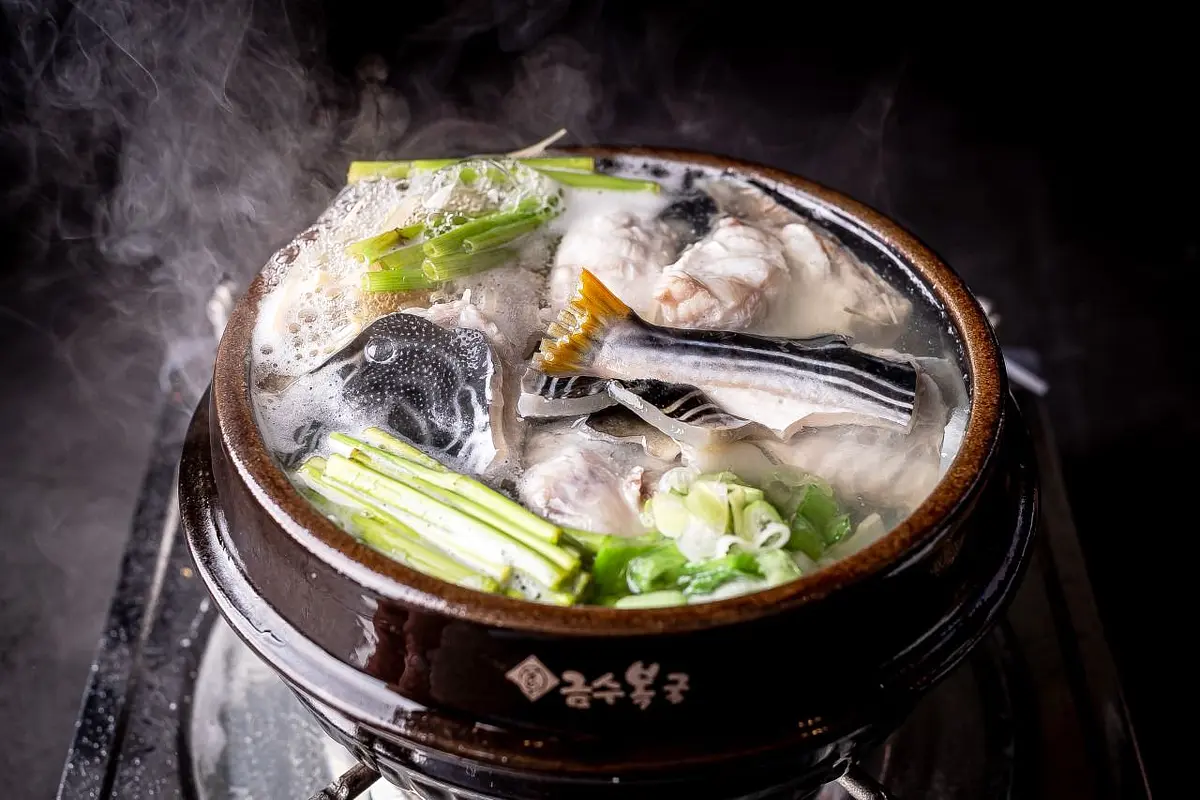
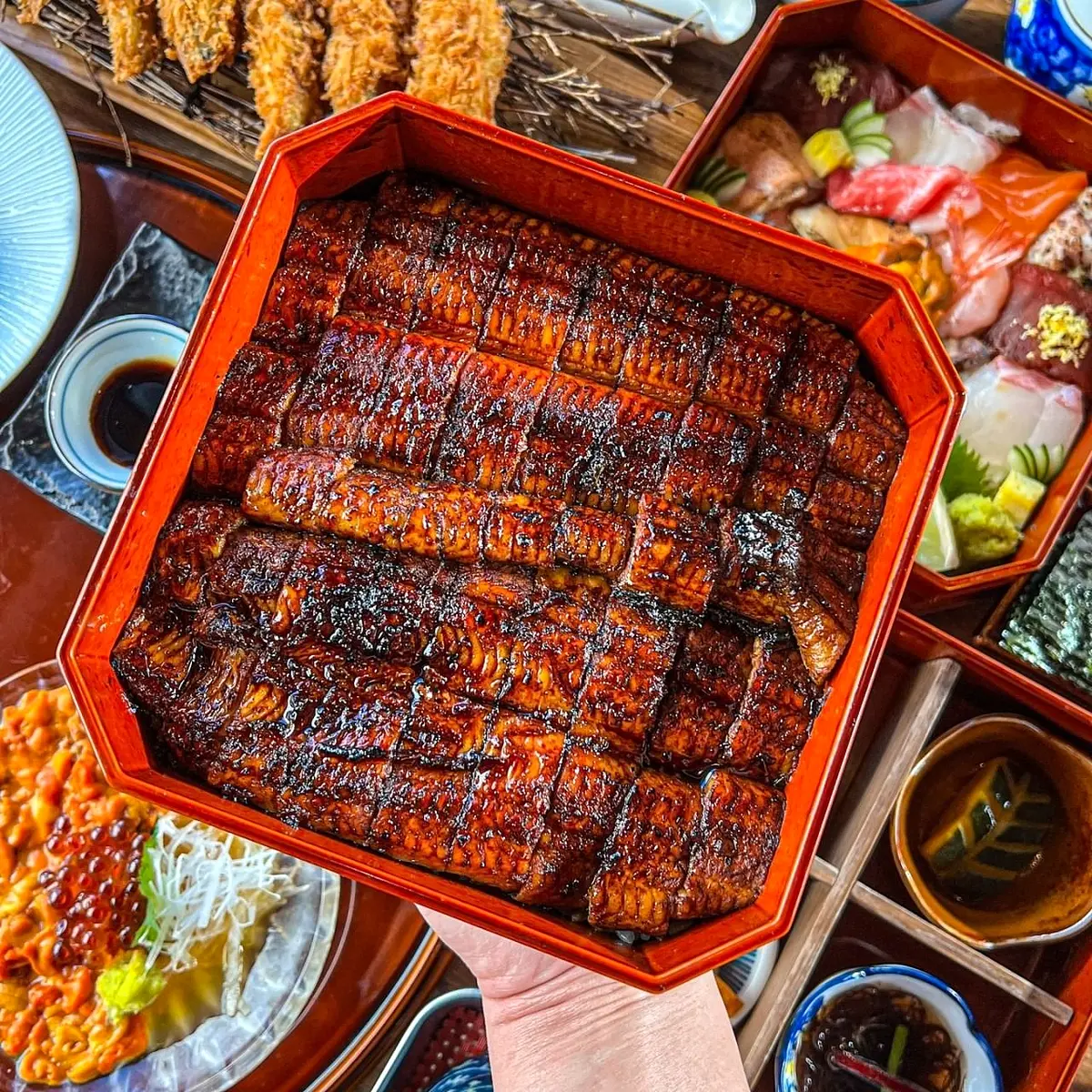
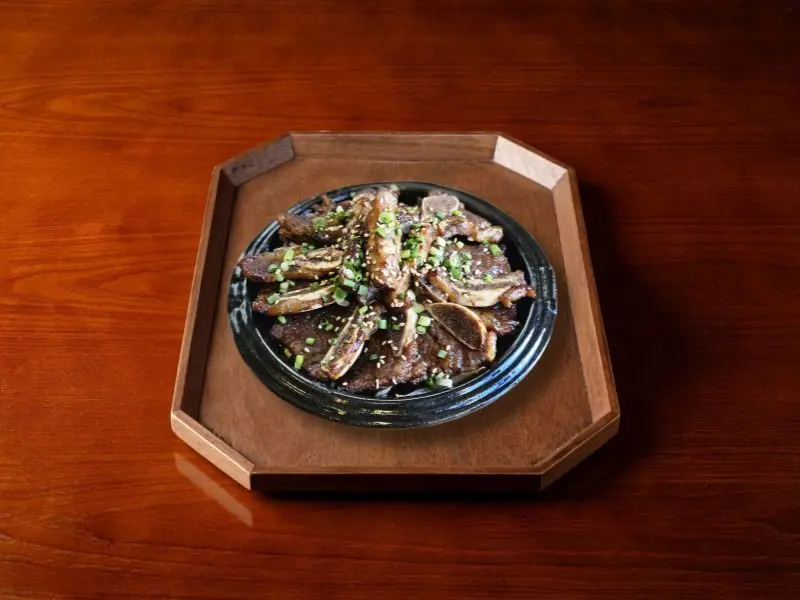
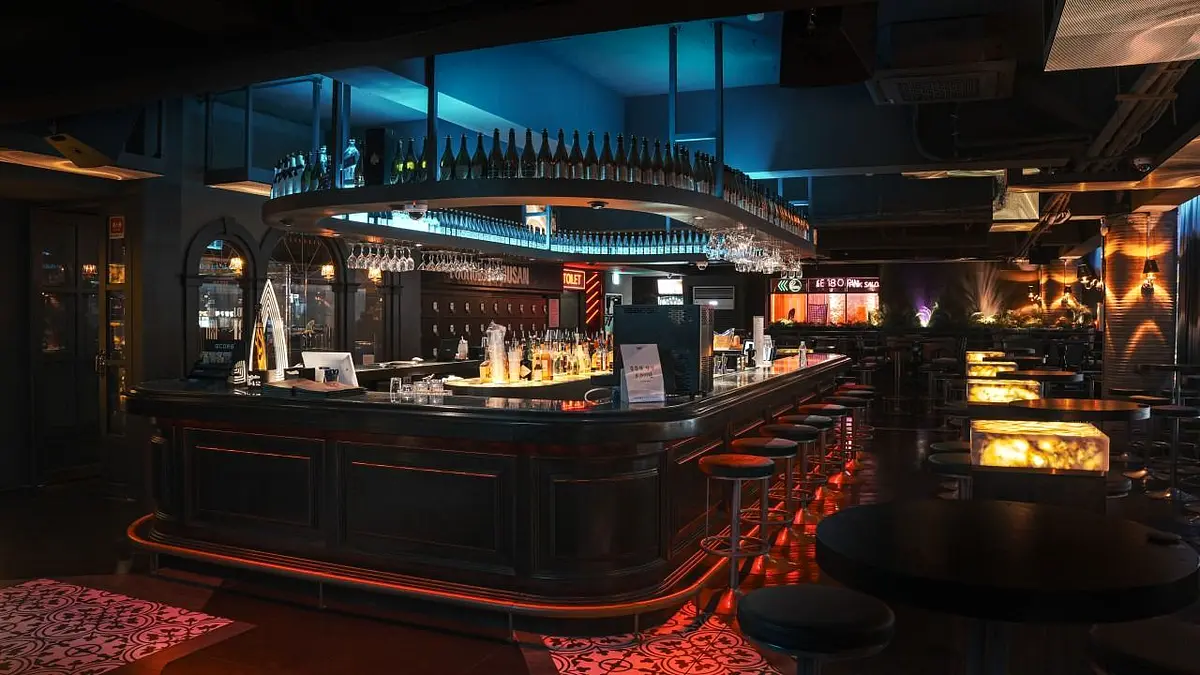
Nampo tastes best when the evening begins with fish tanks, wet floors, and the sound of blades working through seafood. The market air carries salt, grilled eel smoke, shellfish water, and the warm smell of small local meals drifting from nearby counters. Dinner around Jagalchi can be loud before it becomes delicious, because the choosing is part of the appetite. A good night here does not need heavy planning, only enough room for raw fish, oysters, pork, broth, and noodles. The mood changes block by block, from market crowd to old sashimi room to late oyster table to a noodle shop that feels bright and practical. This is the kind of Nampo meal where the street keeps feeding the next bite.
Market pricing feels easier when the seafood is chosen slowly and the cooking charge is understood before sitting upstairs. The tanks give a clear look at freshness, but the crowd can make decisions feel rushed. A small group moves through more comfortably than a large one, especially when bags and coats need space near the table.
Weekend evenings around Jagalchi fill fast, and the mood is louder near the tanks than inside the later restaurants. Haemi can have a wait during oyster season, and the noodle shop can sell out earlier on busy days. Earlier meals are the easier rhythm.
Spice is manageable across the route if the sharper dishes are treated as accents. Oyster kimchi, seasoned eel, and bibim-style noodles can bring heat, but the sashimi rice set and kalguksu keep the meal grounded. Kids can handle the noodle stop most easily; the market is more exciting, wetter, and harder to pause in.
01 · Nampo
Busan Jagalchi Market · 부산 자갈치시장
- Hours
- 05:00–22:00 daily · Closed 1st, 3rd, 5th Tuesday
- Parking
- On-site parking
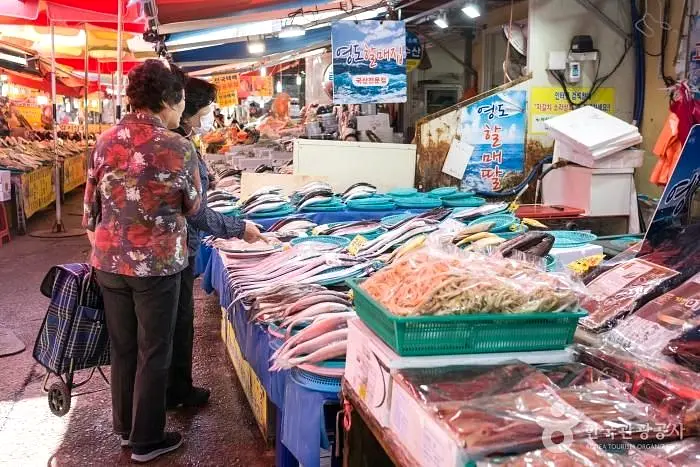
Busan Jagalchi Market hits with seawater before any plate arrives. Tanks line the floor with flounder, red sea bream, crab, sea squirt, abalone, octopus, and shells, so freshness is something heard and seen as much as tasted. Knives tap quickly on boards, vendors rinse seafood in metal basins, and the floor keeps that slick market shine. The crowd can feel intense around meal hours, but the variety is the reason people keep coming back. Some stalls are warm and generous with explanations, while others move quickly and expect decisions without much lingering. The better moments are simple: a fish lifted from the tank, a price confirmed, then the meal moving upstairs or into a nearby room. Even without sitting down, the smell of grilled fish, seaweed soup, and house lunch plates makes the market feel like a meal already in motion.
02 · Nampo
Busan Specialty Sashimi Restaurant · 부산명물횟집
- Hours
- 11:00–21:00 · Closed 1st & 3rd Monday
- Parking
- 1 hour free with a meal
Busan Specialty Sashimi Restaurant is about the sashimi rice set, a clean rice set built around slices of sashimi rather than a heavy seafood spread. The fish has a firm, cool chew and a mild sweetness that works well with rice, greens, and a little sauce. The soup beside it stays gentle, more soft and savory than dramatic, which helps the raw fish remain the center. Portions can feel larger than expected once the rice, sides, broth, and sashimi are all on the table. The price is not the cheapest around Jagalchi, but the taste is steady enough that regulars keep the place in their Busan routine. Service may feel brisk or uneven when the room is busy, so the food carries more of the charm than the greeting. The best bite is sashimi, rice, and greens together, cool at first and then nutty, salty, and clean at the finish.
03 · Nampo
Haemi Nampo-dong Main Branch · 해미 남포동본점
- Hours
- Open 24 hours · Sun to 21:00
- Parking
- No shop lot
Haemi Nampo-dong Main Branch feels strongest when oyster season is on the table. Oyster and boiled pork bring cold, briny oysters against warm boiled pork, and that temperature contrast is the whole pleasure of the dish. The pork is sliced thin enough to fold easily, with soft fat and a mellow, savory smell rather than any heavy porkiness. Fresh oysters add a clean snap, while kimchi, dried radish, and salted sides make each wrap sharper and louder. Side dishes matter here: grilled fish, egg custard, and small seasoned plates make the table feel fuller before the main dish is even finished. The room can be crowded late into the night, but the food matches that energy with generous seasoning and a wintery warmth. For a second round in Nampo, it tastes less like a snack and more like a full meal that happens to go well with conversation.
04 · Nampo
1969 Buwon-dong Kalguksu Nampo Branch · 1969부원동칼국수 남포본점
- Hours
- 10:50–19:30 daily
- Last order
- 19:00
- Parking
- No shop lot · public parking nearby
- Note
- Cold noodles May–September
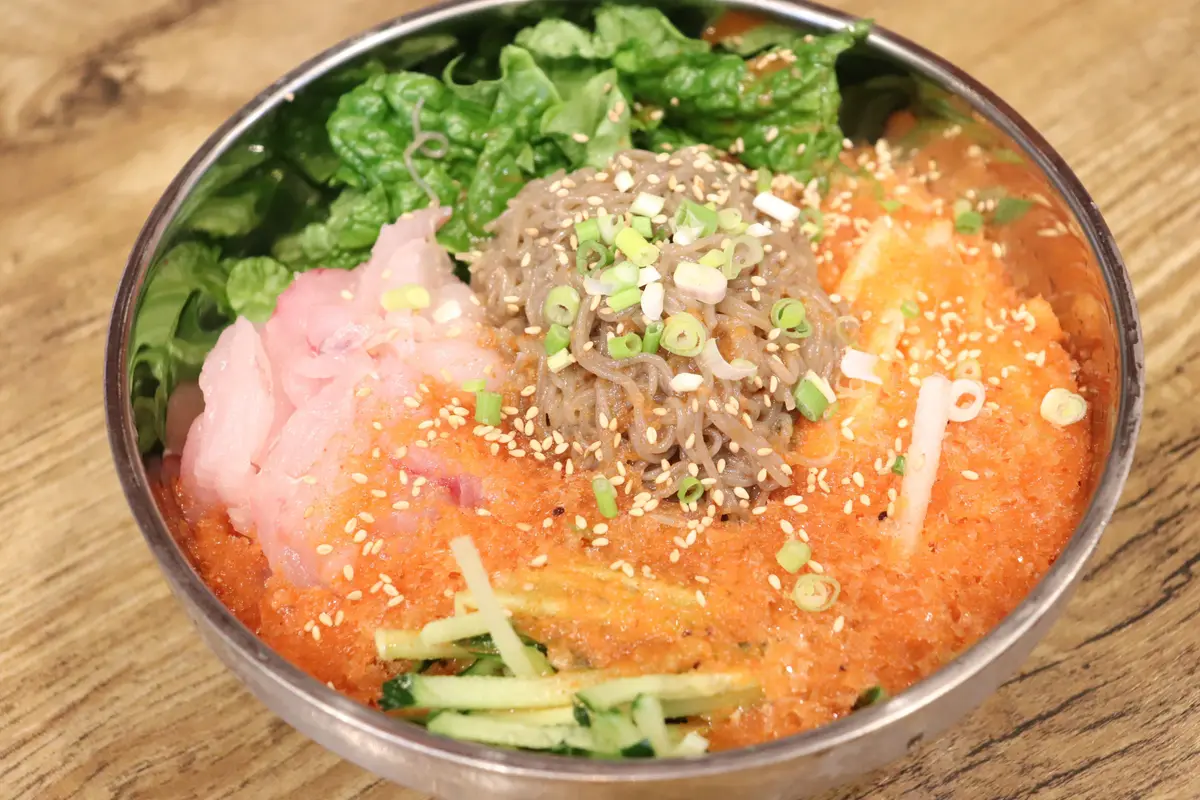
1969 Buwon-dong Kalguksu Nampo Branch gives the route a softer landing. The knife-cut noodle broth is clear, deep, and clean, with enough seafood flavor to feel satisfying without turning fishy. House-made noodles have a pleasant chew, soft on the outside and springy in the middle. The bowl looks simple, but the balance of broth, noodles, greens, and seafood makes it easy to keep eating after several salty seafood plates elsewhere. Kimchi and kkakdugi cut through the warmth with crunch and light acidity. Portions are generous, and the room feels more practical than fancy, which suits a final meal well. The bite that stays is noodle, broth, and kimchi together: warm, clean, slightly sharp, then calm again.
The final room is the noodle shop, with steam rising from the bowl, kimchi on the side, and a clear broth that settles the seafood-heavy night.
Local notes — places Koreans actually go.
Keep walking